What they are, how they're used, and how to choose the right one for Australian farms and construction sites.
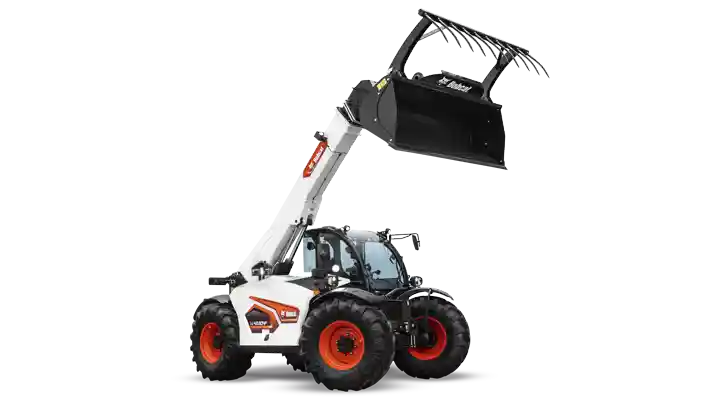
A telehandler (telescopic handler) is one of the most versatile lifting machines used across Australian farms and construction sites — combining the lifting power of a forklift, the reach of a crane, and the mobility of a loader.
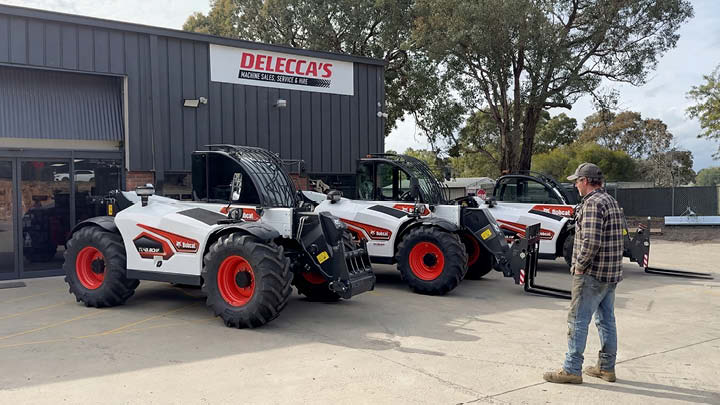
Delecca’s has supplied and serviced telehandlers across central Victoria for over 40 years, matching machines to real-world applications, not just specifications.
Here’s how to choose the right telehandler for your work.
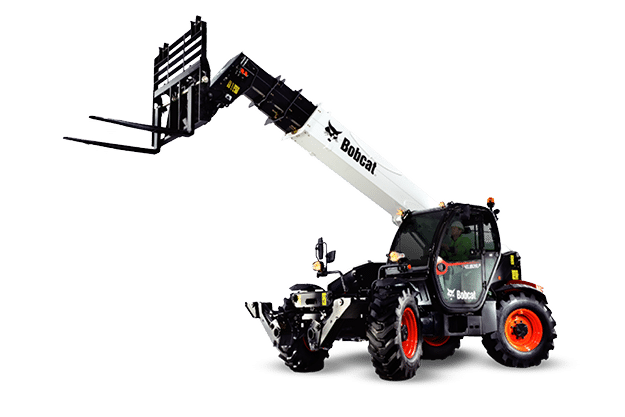
A telehandler (telescopic handler) is a lifting machine with these key features:
Telescopic boom – extends to reach forward and upward.
Forklift capability – lifts loads vertically.
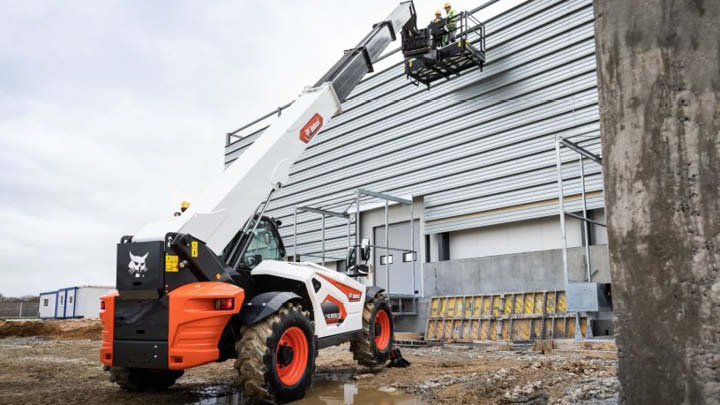
Crane-like reach – places materials at height.
Loader mobility – moves across uneven terrain.
This combination makes telehandlers ideal for:
lifting at height
reaching over obstacles
handling bulky or awkward loads
working on uneven ground
However, not all telehandlers suit all jobs.
The right machine depends on how you work, where you work, and how often the telehandler is needed.
For example, a machine built for daily farm work may not be suitable for lifting at height on a construction site.
Likewise, some operators need a telehandler long-term, while others only need one for a specific project.
In those cases, hire can make more sense than ownership.
Use this guide to work out which type suits your work.
What are telehandlers used for?
Telehandlers are used anywhere materials need to be lifted, placed, or moved safely and efficiently.
Common telehandler uses across Australia include:
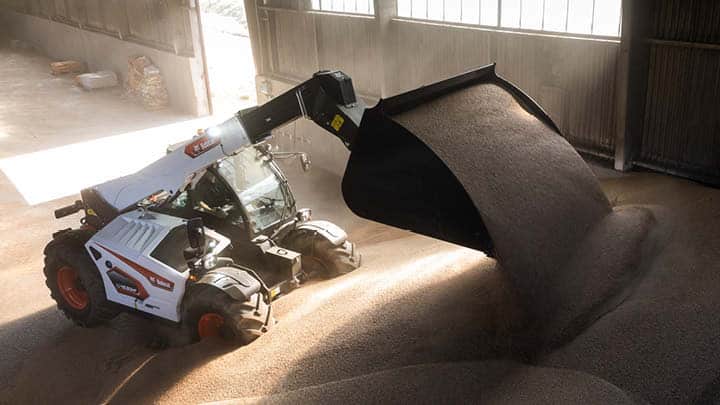
handling pallets, bulk bags, and feed
lifting hay, silage, and fertiliser
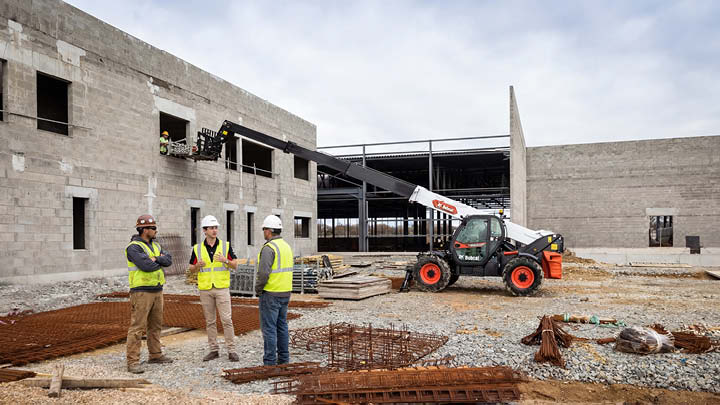
placing steel, trusses, or panels
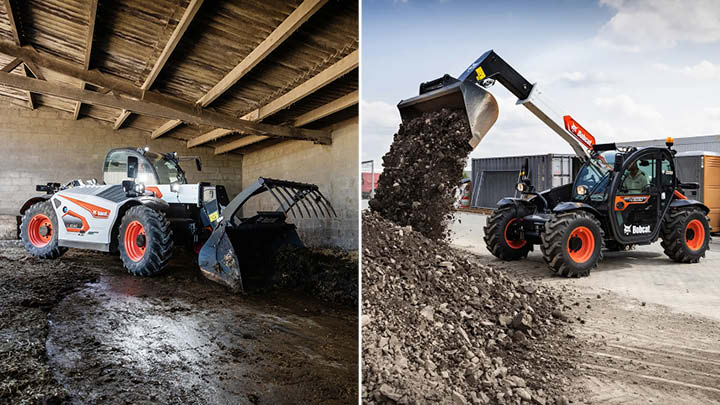
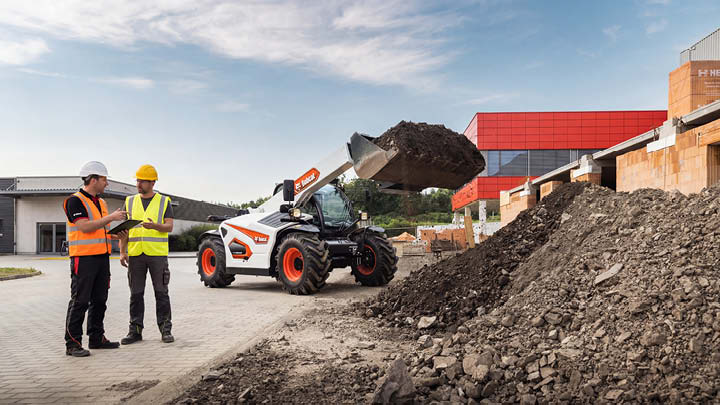
loading trucks or trailers
working around sheds, yards, and job sites
How telehandlers are used matters just as much as what they are.
However, while the machine looks similar, how it's used, and what it needs to do well, changes completely depending on the work.
A telehandler used daily on a farm handles different loads, works in different conditions, and is judged on different priorities than one used on a construction site.
That’s why most telehandlers fall into two distinct categories: agricultural and construction.
Understanding which category fits your work is the most important decision before looking at models or pricing.
Telehandlers for farming vs construction.
Agricultural telehandlers
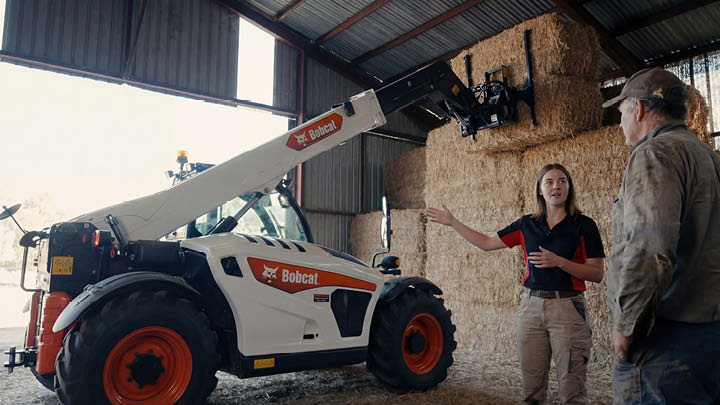
Designed for daily farm work, often handling feed, hay, silage, and general property tasks.
availability and speed matter more than long-term use
Buying makes sense when:
the machine will be used regularly
tasks vary across seasons or projects
ownership is more cost-effective over time
If you’re planning regular use, owning a telehandler may be more cost-effective over time. You can explore current options on our telehandlers for sale page.
If you’re unsure, it’s common to start with hire and reassess later. Pricing varies widely depending on capability — we explain what affects cost below.
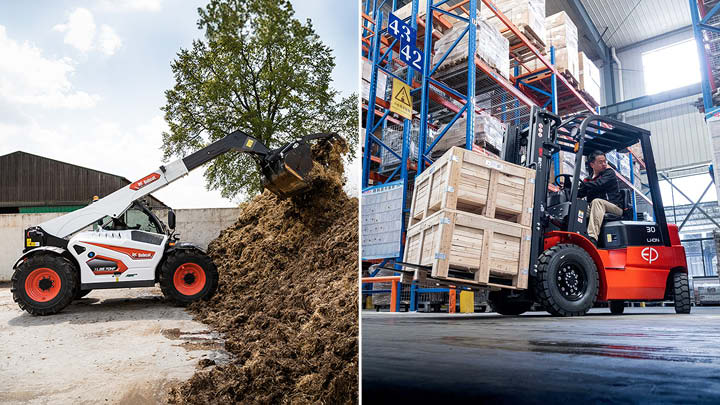
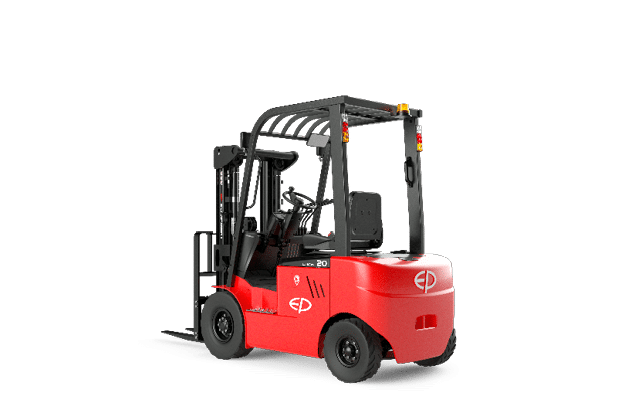
Forklifts and telehandlers are often confused, but they're built for different jobs.
Terrain
Uneven ground, outdoor
Flat, prepared surfaces
Reach
Forward and upward
Vertical only
Applications
Construction sites, farms
Warehouses, indoor
Versatility
Multiple attachments
Limited attachment options
Terrain
Uneven ground, outdoor,
Reach
Forward and upward
Applications
Construction sites, farms
Versatility
Multiple attachments
Terrain Flat, prepared surfaces
Reach
Vertical only
Applications
Warehouses, indoor
Versatility
Limited attachment options
For outdoor material handling, construction sites, or farm work, telehandlers provide capabilities forklifts cannot match.
Telehandler pricing — what affects the cost?
Telehandler prices vary widely because machines are built for very different jobs.
Instead of focusing on a headline number, it’s more useful to understand what actually drives cost.
Typical telehandler price ranges in Australia.
As a general guide:
entry-level telehandlers suited to lighter duties sit at the lower end of the range, from $130,000 + GST
mid-range machines designed for regular farm or site use sit in the middle, from $160,000 + GST
high-reach or high-capacity telehandlers sit at the upper end, from $195,000 + GST
Exact pricing depends on configuration, attachments, and availability.
What drives telehandler pricing up or down?
Key factors include:
Lift height and forward reach Machines designed to lift higher or further cost more due to boom design and stability requirements.
Rated capacity at reach A telehandler that can safely lift heavier loads further forward commands a higher price.
Engine power and hydraulics Higher output and smoother hydraulic performance increase capability and cost.
Attachments and setup Buckets, forks, jibs, and specialised attachments all affect final pricing.
Agricultural vs construction specification Farm machines prioritise stability and versatility. Construction machines prioritise reach, compliance, and site suitability.
New vs used Used machines can reduce upfront cost, depending on condition and hours.
Farming vs construction pricing differences.
Agricultural telehandlers are typically configured for:
daily handling tasks
predictable loads
attachment flexibility
Construction telehandlers are often configured for:
greater lift height
higher capacity at reach
short-term or project-based use
As a result, prices can vary significantly between machines that appear similar at first glance.
Buy vs hire — where the break-even usually sits.
Hiring a telehandler typically costs between $800 to $1,500 per week (excluding GST), depending on machine size and hire duration.
For short-term work (a few weeks or a single project) hire almost always makes financial sense.
However, hire isn’t just for short-term needs. Many operators hire for 3–5 years or longer because it keeps costs predictable, includes full maintenance and support, and avoids tying up capital in depreciating assets.
Hiring often makes sense when:
the work is short-term or project-based
a specific lift height is needed temporarily
flexibility matters more than ownership
Buying often makes sense when:
the machine will be used regularly
tasks vary across the year
ownership is more cost-effective over time
The break-even point between hire and ownership isn’t just about time; it depends on how you manage cashflow, maintenance costs, and equipment utilisation.
If you’re unsure, many customers start with hire and reassess once real usage is clear.
Why we discuss pricing individually.
Our pricing varies because:
we configure each machine to suit your specific job
attachments vary by application
availability changes
finance and trade-ins differ
In most cases, a short conversation gives clearer answers than a generic price list.
Choosing the right telehandler.
The right telehandler isn’t about buying the biggest machine.
It’s about choosing one that matches how you actually work.