




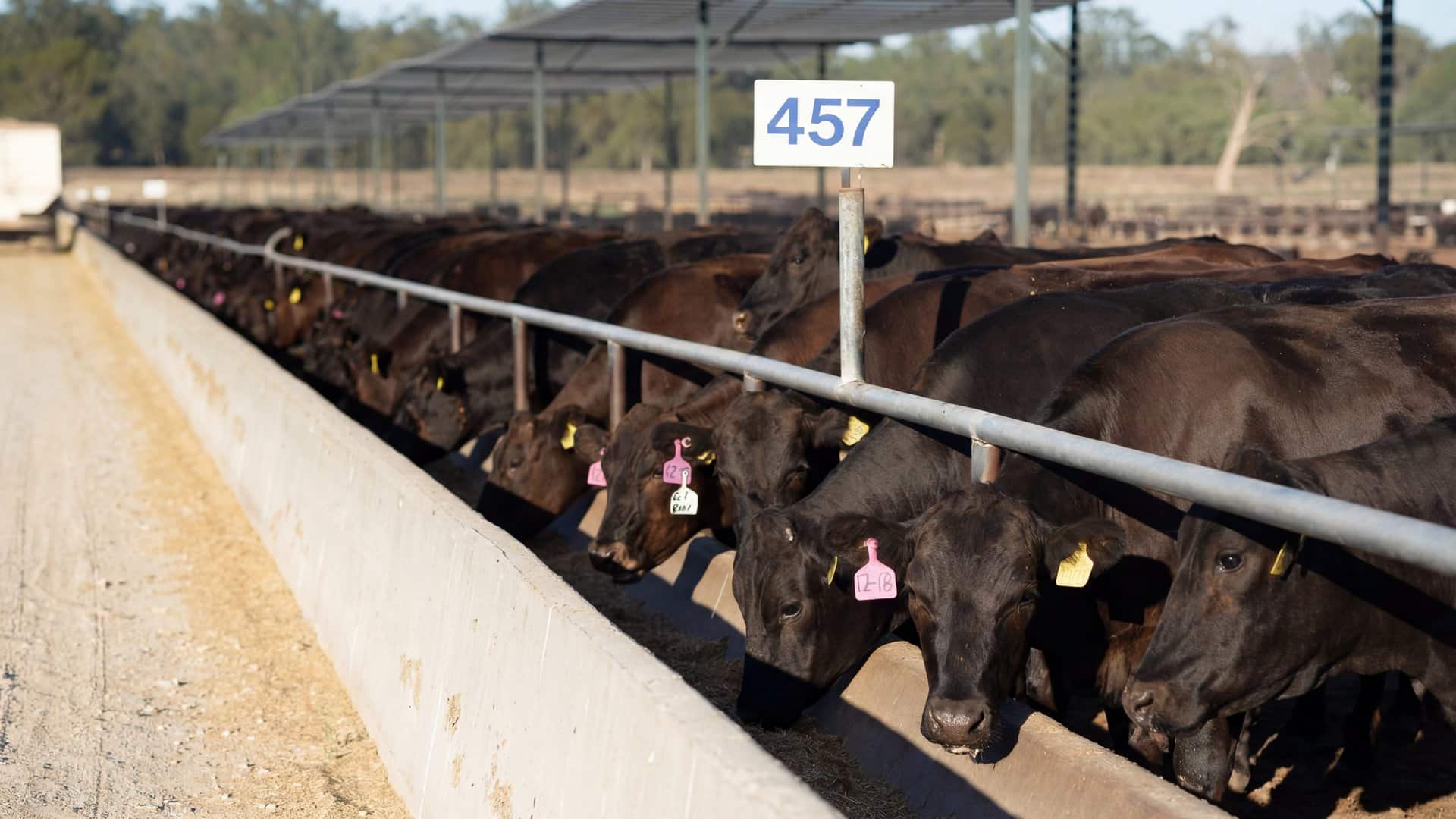
Feedlot work is some of the hardest going in agriculture. Dust, manure, constant cycling, heavy commodity loads — your telehandler cops more punishment in a week than most machines see in a year. If it goes down, thousands of head don’t get fed on schedule. That’s not a maintenance problem. That’s a business problem.
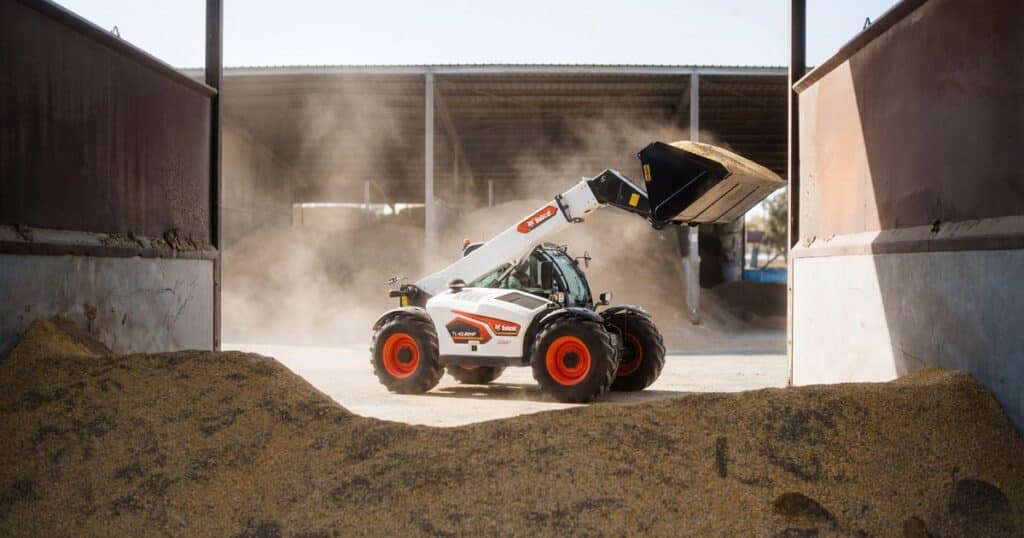
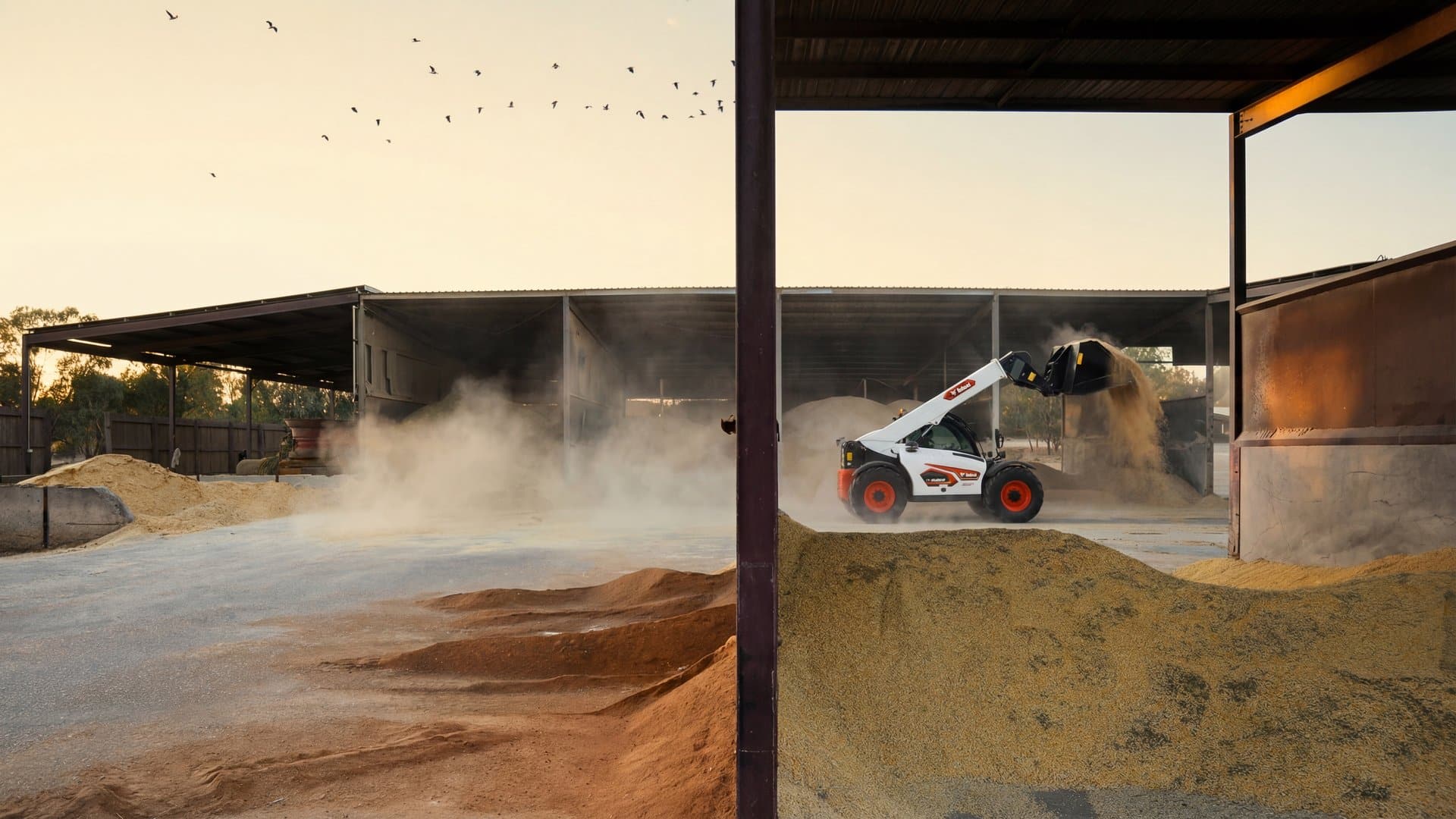
At Delecca’s, we’ve been backing regional farmers with Bobcat machinery for over 45 years. We know feedlots. We know what breaks, what lasts, and what actually makes a difference when your operator is in the seat ten hours a day. That’s why we carry the Bobcat TL38.70HF and Bobcat TL43.80HF — two agricultural telehandlers purpose-built for the kind of work feedlots demand.
Built for the feedlot environment
Both the TL38.70HF and the TL43.80HF run Tier 3 Perkins engines at 130 horsepower. That’s not just a number on a spec sheet — it’s the grunt you need to push into packed commodity piles, scoop heavy feed mix, and cycle all day without the engine labouring. Perkins engines are well known in agriculture for a reason: they’re simple to service, parts are available, and they don’t overcomplicate things with emissions systems that clog up in dusty environments.
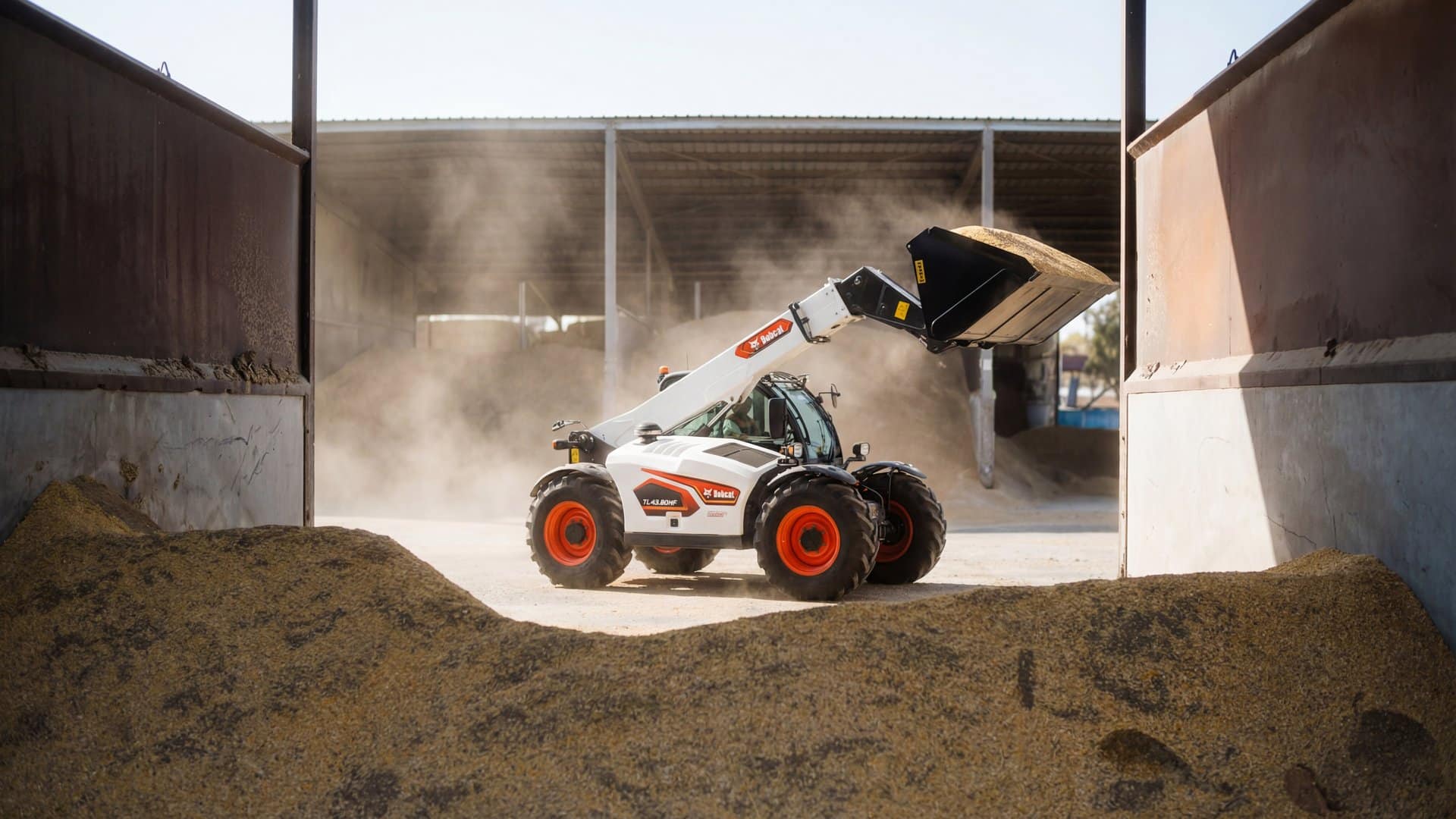
Unlike a powershift gearbox that shifts under load and wears over time, the hydrostatic drive gives you smooth, infinitely variable speed control. That means your operator can creep into a silage face or a packed grain bunker with precise force, then back out and travel across the yard at 40 km/h. No gear hunting. No jerking under load. Just smooth power, all day.
The Variable Creep Function — and why feedlot operators want it
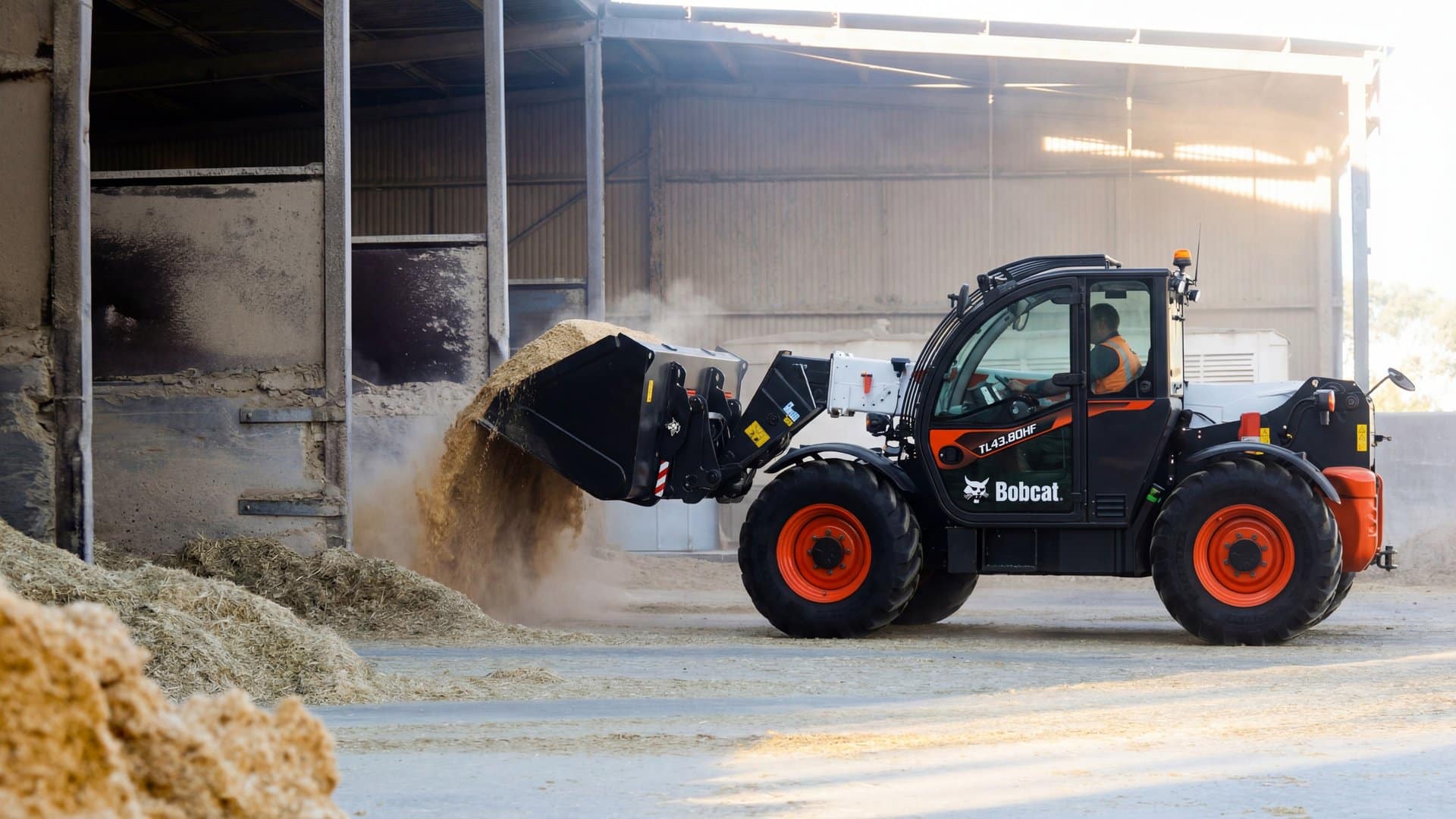
This is where the Bobcat agricultural telehandlers separate themselves. If you’re running hydraulic trough cleaners — and most feedlots are — you can use the variable creep function on the drive system to set a consistent, slow crawl speed while the trough cleaner does its work. Your operator doesn’t have to feather the pedal the whole way down the bunk. They set the creep, engage the attachment, and the machine does the rest.
It’s the same story with sweepers and other hydraulic attachments. The 190 litres per minute hydraulic flow means you’ve got enough oil to run demanding attachments at full capacity, while the variable flow control lets you dial the speed to match what the attachment actually needs. Too much flow burns out seals. Not enough and the attachment underperforms. The Bobcat system lets you set it right and leave it.
“If you have a hydraulic trough cleaner, you can use the variable creep function to push your feed through your troughs — making feed-out even easier than before.”
— Jason Delecca
Feeding thousands of head, every day
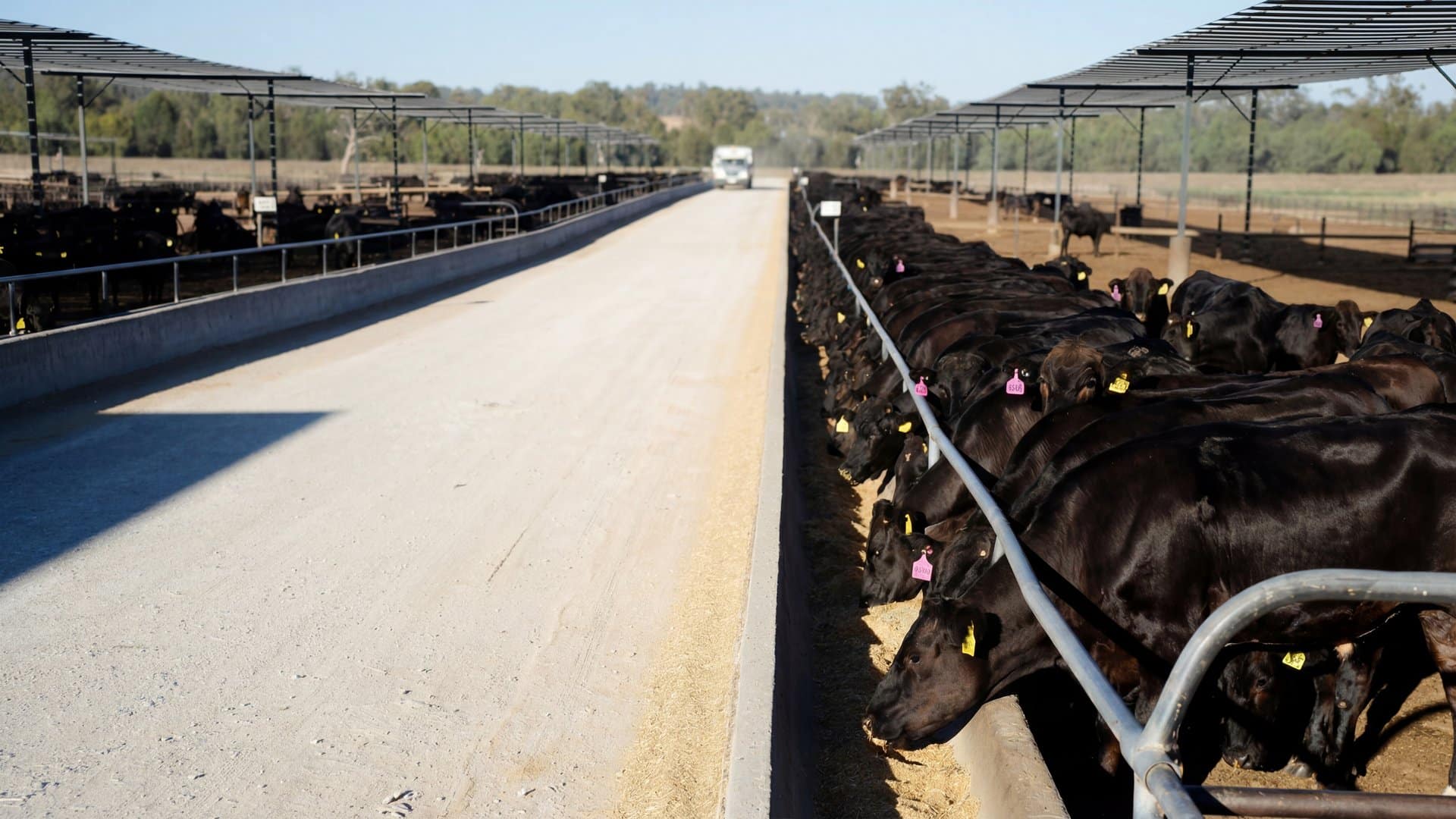
In a feedlot, the telehandler is the backbone of the feed mill. It loads grain, hay, and silage into the mixer trucks multiple times a day. Every cycle matters. Every minute the mixer waits for a load is a minute the ration schedule slips.
The TL43.80HF lifts 4,300 kg to a maximum height of 8 metres. That means fewer cycles per load when you’re filling mixer wagons or stacking commodity in sheds. The TL38.70HF lifts 3,800 kg to 7 metres — still more than enough for most feedlot tasks, and lighter on its feet at 7,460 kg operating weight for yards where ground pressure matters.
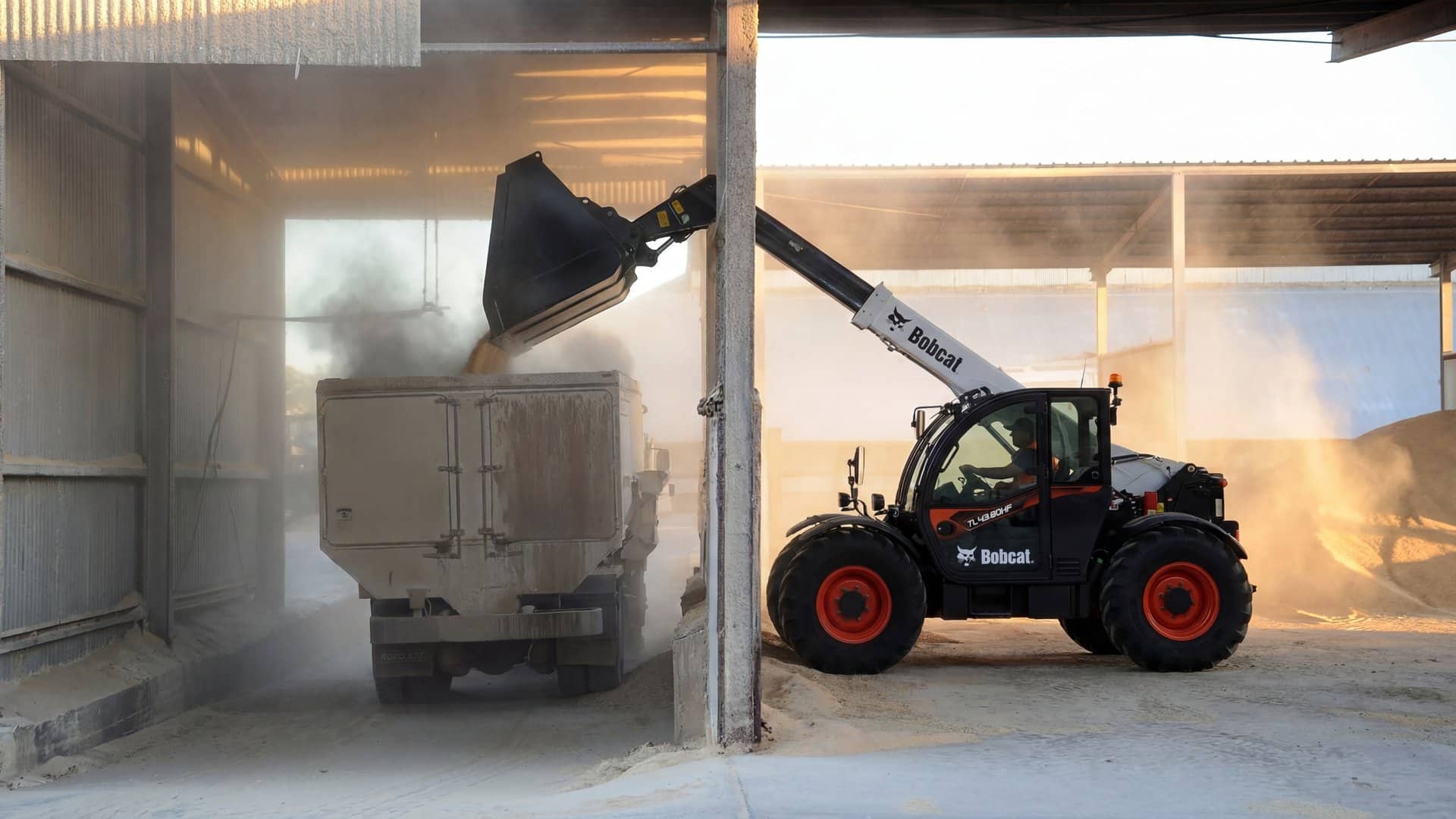
Both machines deliver tight cycle times — boom up, dump, boom down, scoop — with multi-function control that lets your operator run boom, attachment, and drive simultaneously. Not every telehandler can do that smoothly, and you notice it when you’re loading four mixer trucks before 7am.
Operator comfort that actually matters
Your operator is in that cab for eight to ten hours a day. If they’re uncomfortable, they’re slower. If they’re fatigued, they make mistakes. Comfort isn’t a luxury in a feedlot — it’s a productivity multiplier.
The Bobcat Agri-Expert cab comes with a premium air-suspension seat with heating, a seat-mounted joystick so the controls move with the operator, built-in Bluetooth radio and phone connectivity, and the kind of visibility that lets your operator place loads accurately without getting out to check. LED work lights around the full perimeter mean the machine works just as well at 4am as it does at midday — and in a feedlot, you’ll use them.
The Infrastructure Behind the Feed
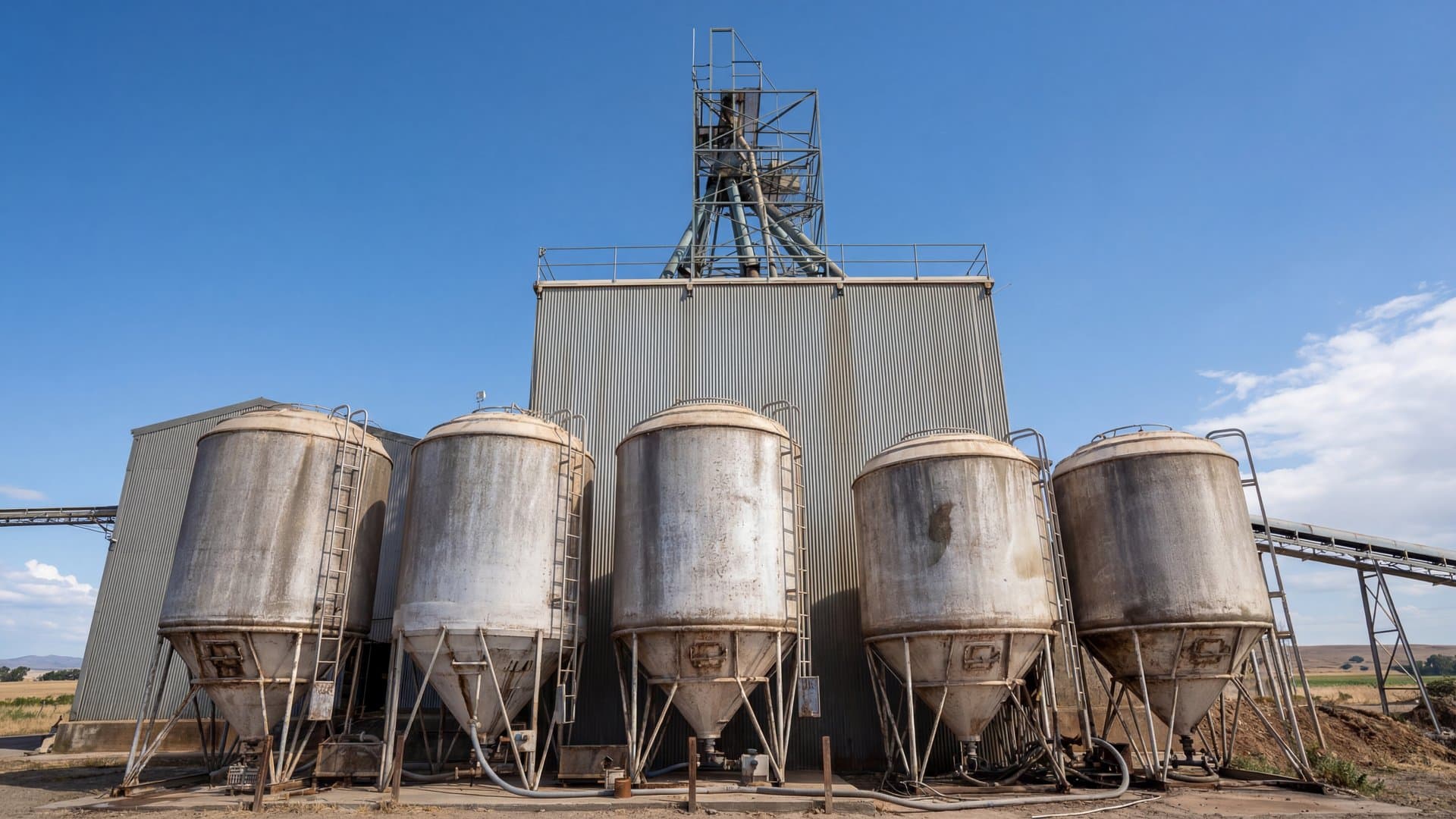
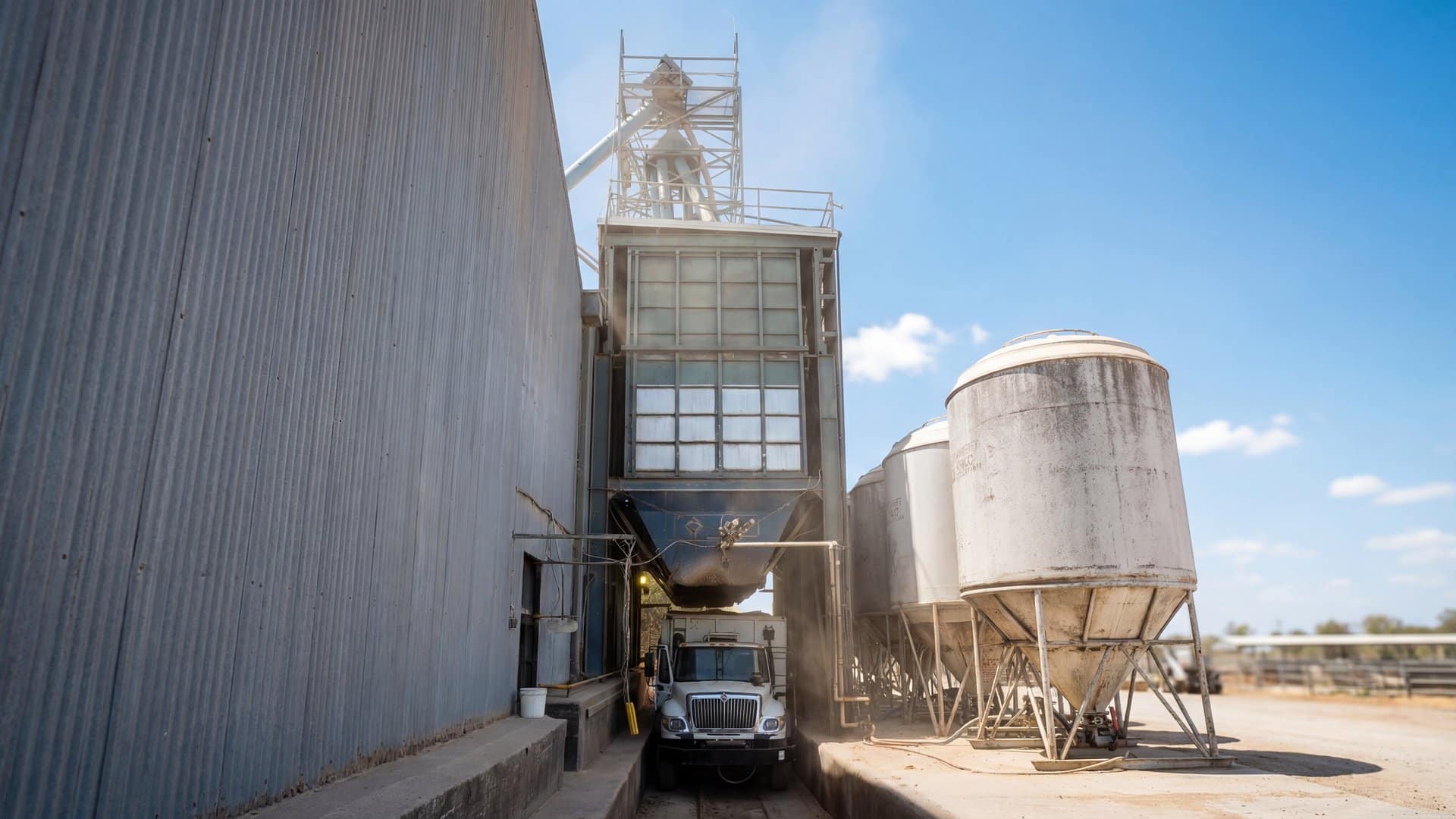
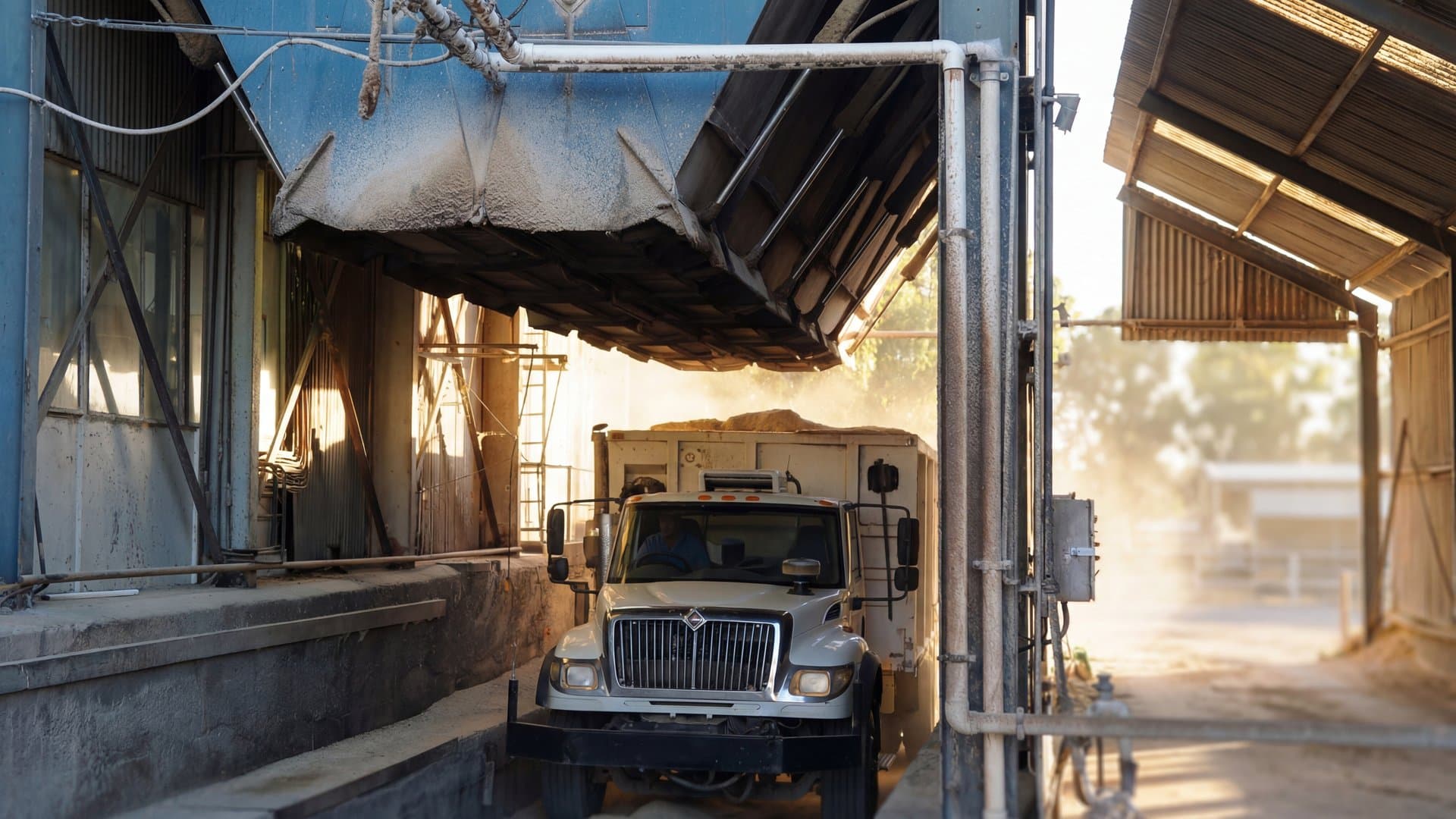
A feedlot isn’t just pens and bunks. Behind every ration is a feed mill, grain silos, commodity sheds, and a logistics chain that has to run like clockwork. The telehandler is the machine that connects it all — moving grain from storage to processing, loading trucks, shifting commodities between sheds, and keeping the whole system flowing.
That’s why reliability matters more than anything else. When your telehandler goes down, the whole chain stops. And that’s where having your dealer in central Victoria with technical backing for the whole life of the machine makes a real difference. Delecca’s is in Bendigo — right in the heart of feedlot country across northern Victoria and into southern NSW. We carry parts, we know the machines, and we pick up the phone.
Feed storage — the raw materials
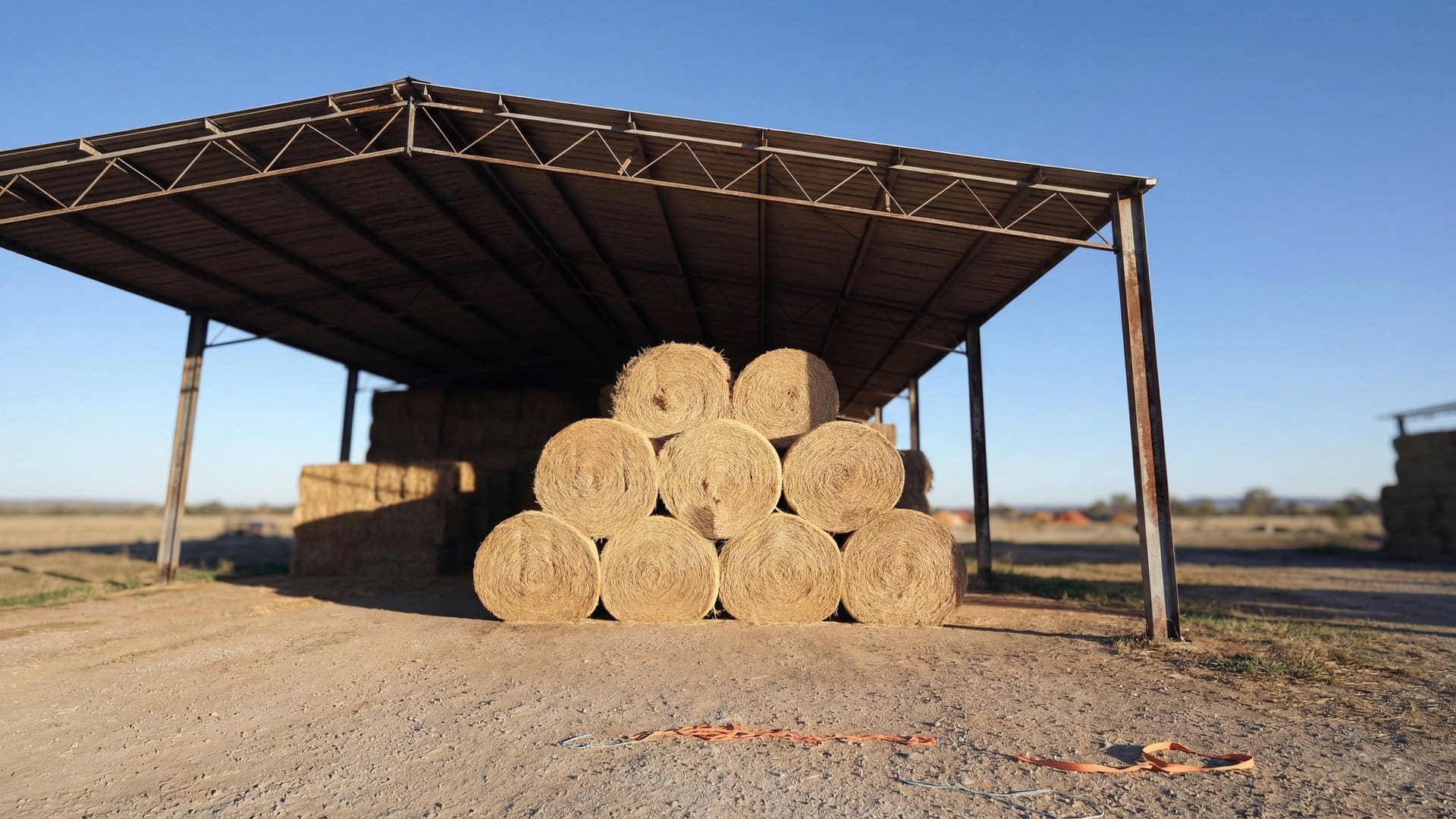
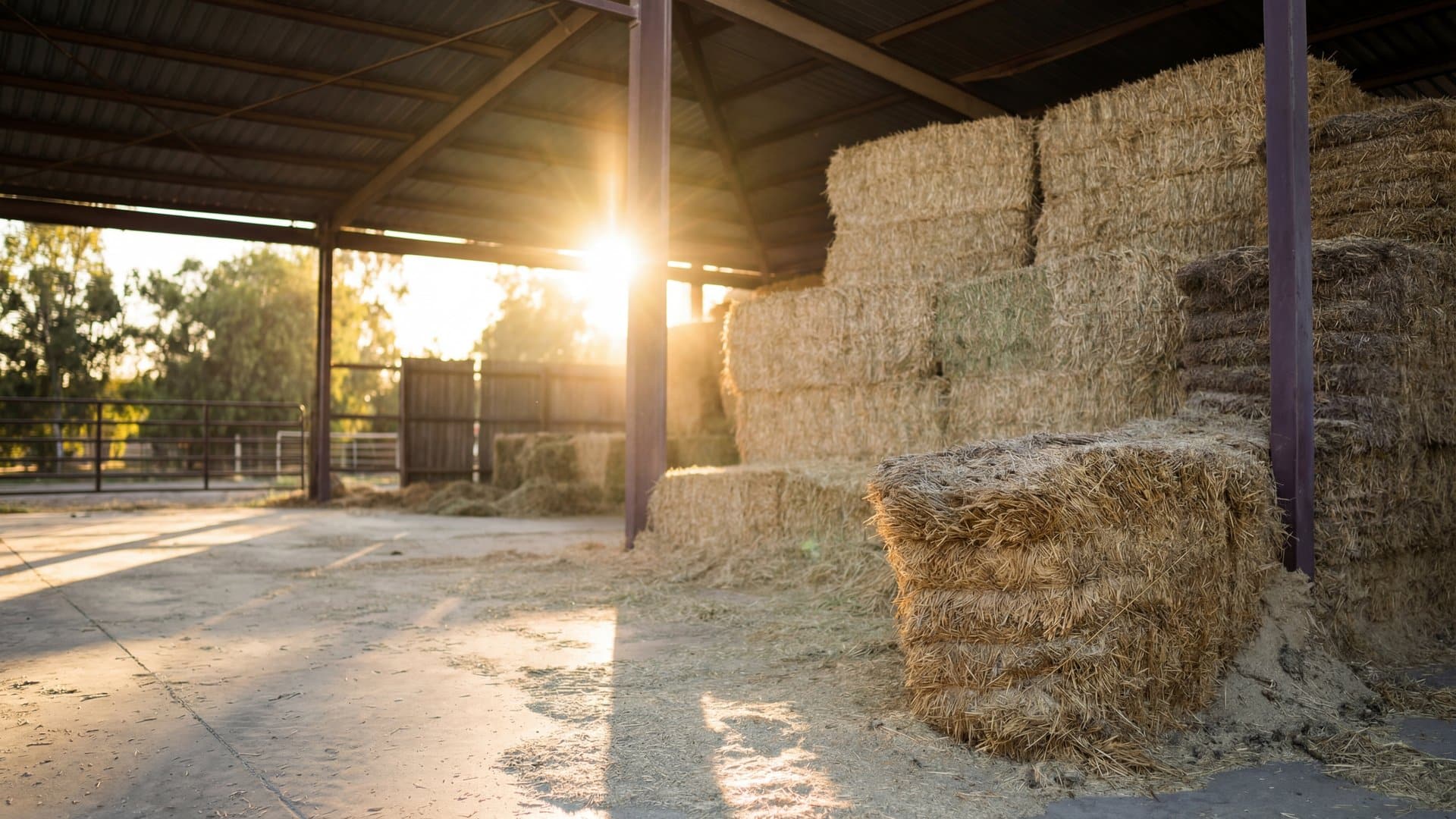
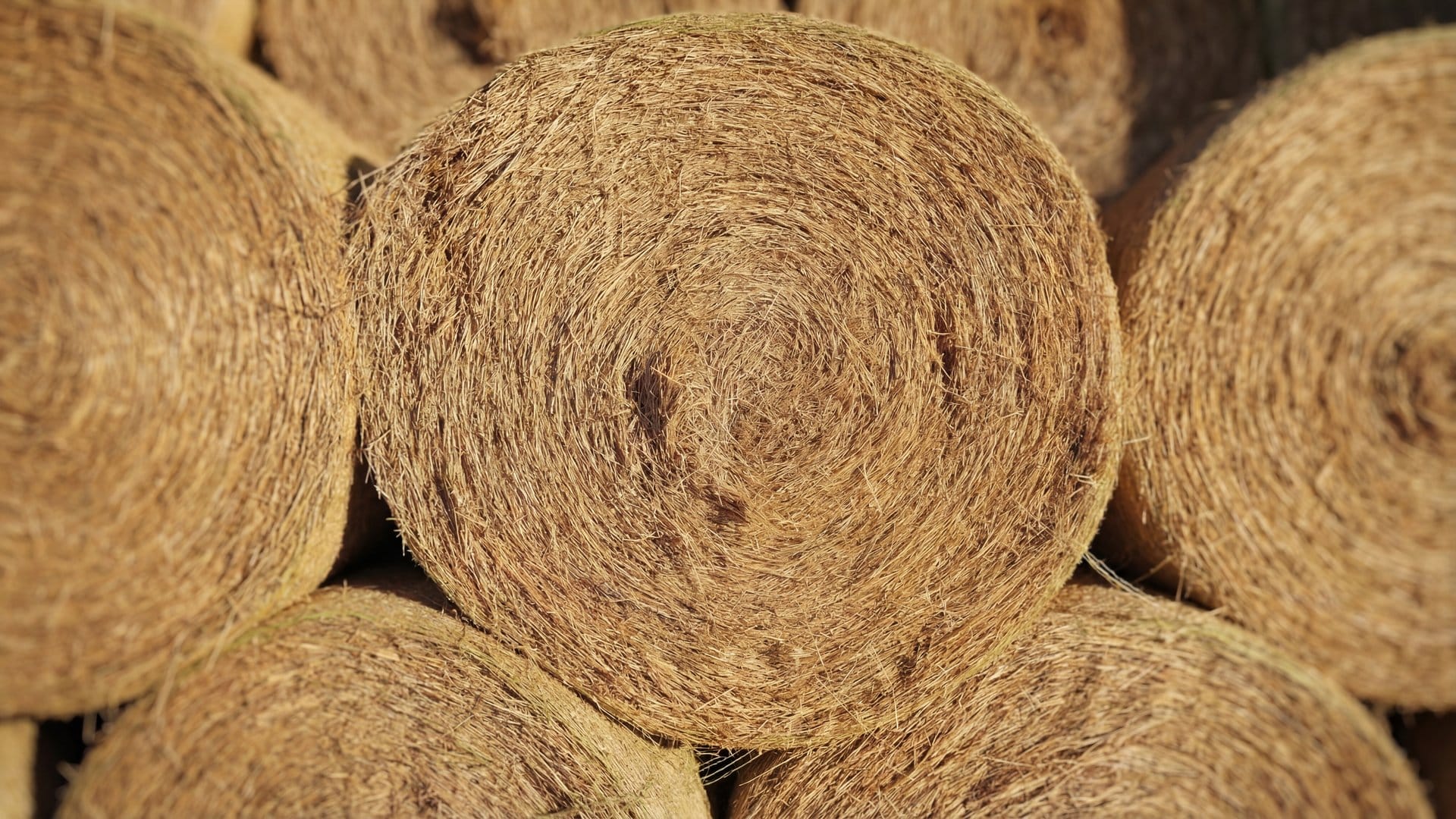
Hay, silage, grain, mineral supplements — a feedlot stores and handles enormous volumes of raw materials. Every one of those commodities needs to be moved, stacked, loaded, and distributed. The telehandler handles all of it, day in, day out.
With strong load charts across the full operating envelope, both the TL38.70HF and TL43.80HF maintain safe lifting capacity at height and at reach — not just at ground level where the numbers look good on paper. That matters when you’re stacking bales three high in a shed or loading a mixer wagon that sits above ground level.
The details that Feedlot Operators notice
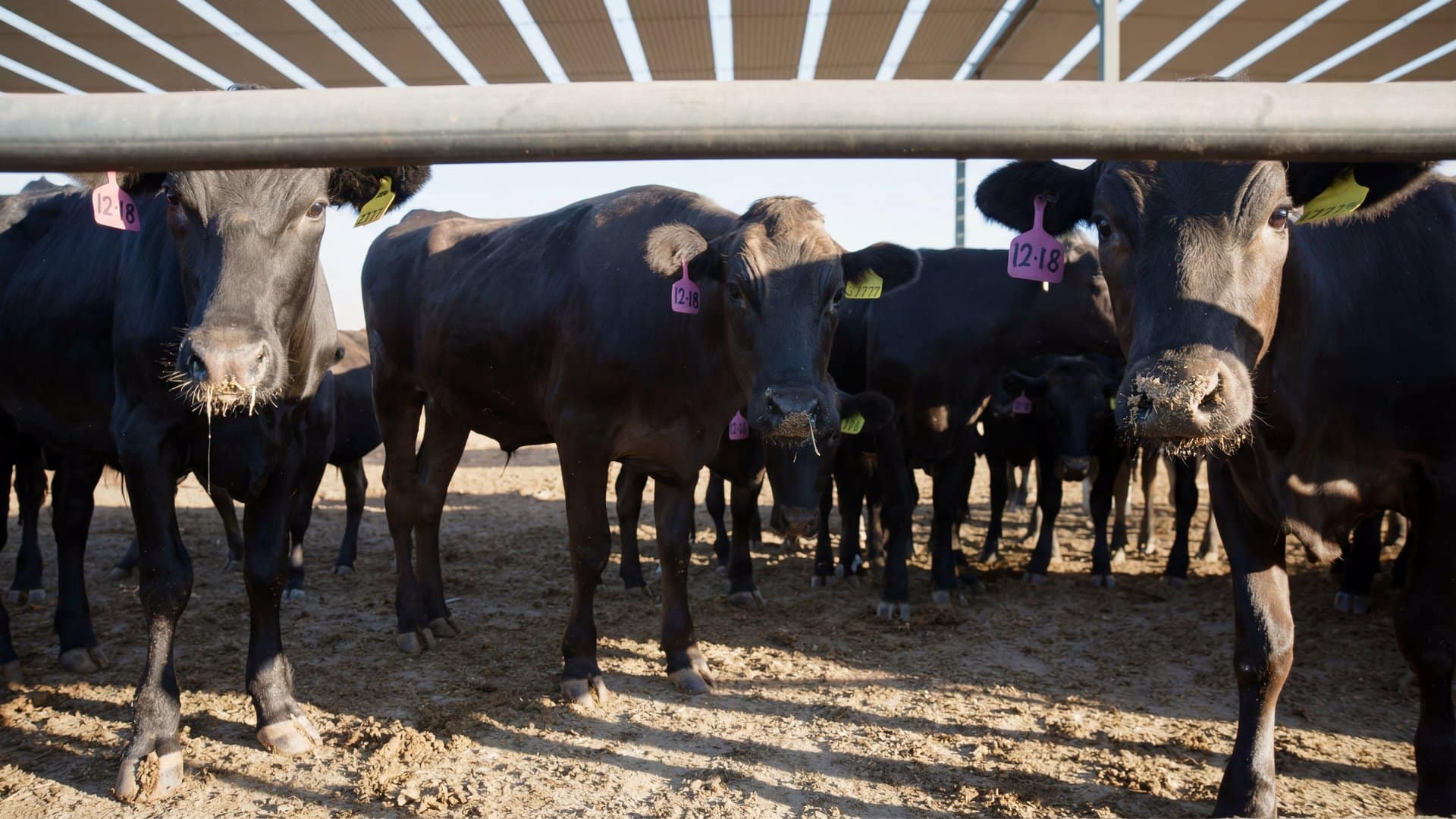
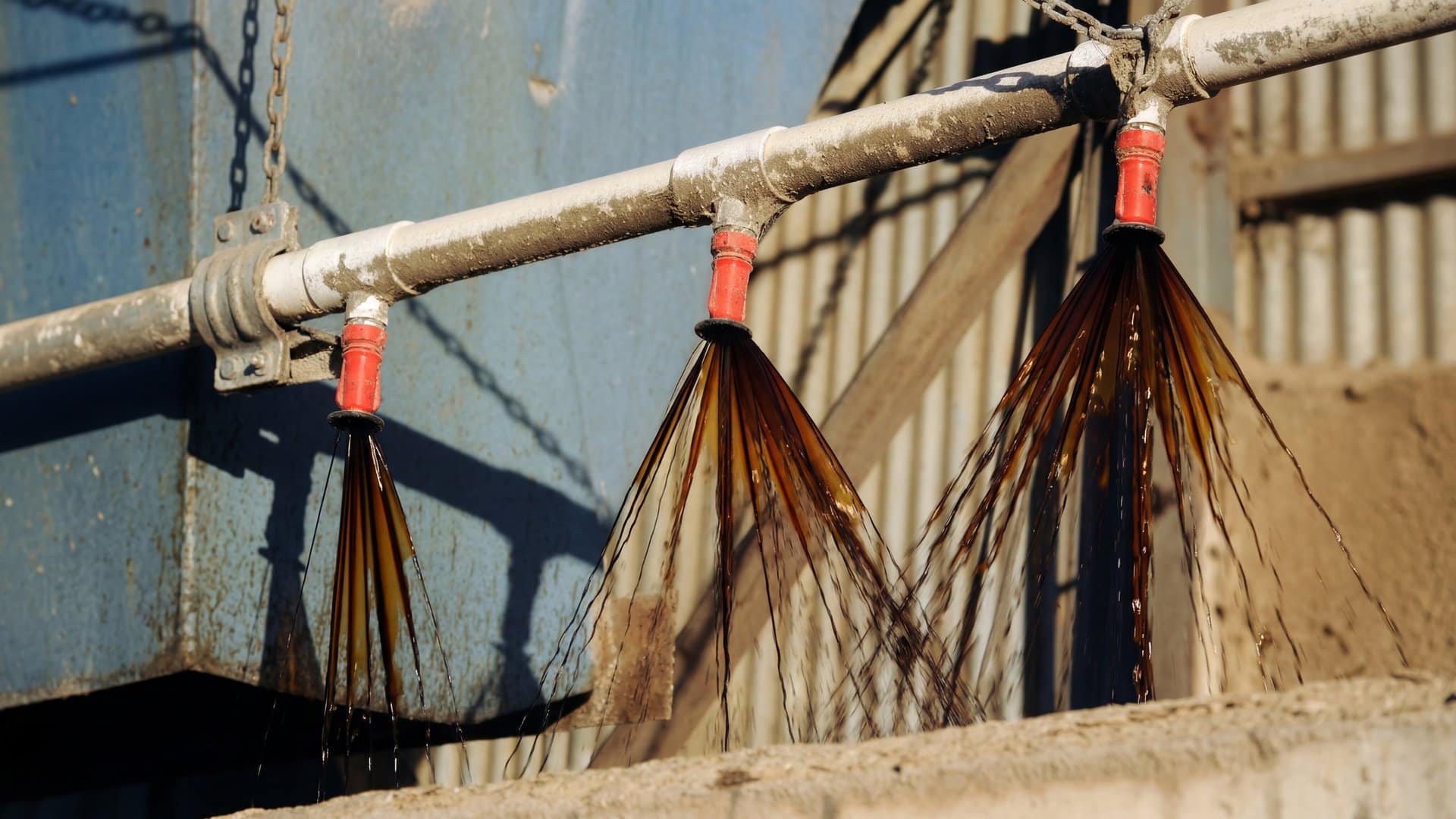
Feedlot operators don’t buy on brochures. They buy on cost per head fed, machine hours between services, uptime percentage, and whether they can get parts tomorrow. That’s exactly why the Bobcat TL38.70HF and TL43.80HF are spec’d the way they are — simple engines, high uptime, and a dealer in Bendigo who carries the parts.
TL38.70HF vs TL43.80HF — Quick Comparison
| Spec | TL38.70HF | TL43.80HF |
|---|---|---|
| Max Lift Capacity | 3,800 kg | 4,300 kg |
| Max Lift Height | 7.0 m | 8.0 m |
| Engine | 130 hp Perkins | 130 hp Perkins |
| Hydraulic Flow | 190 L/min | 190 L/min |
| Road Speed | 40 km/h | 40 km/h |
| Operating Weight | 7,460 kg | 8,050 kg |
| Best For | Everyday feedlot work, lighter yards | Heavy commodity handling, large operations |
Want to talk telehandlers for your feedlot?
No obligation — just a straight conversation about what’ll work for your operation.